زمان هەڵبژێرە

For manufacturers, contractors, and industrial buyers, selecting suitable vibration damping pads is not only دەربارەی reducing equipment noise. The performance of damping components directly affects equipment stability, building protection, and long-term maintenance costs. In HVAC systems, mechanical equipment such as compressors, ventilation units, chillers, and air handling systems continuously generate vibration during operation. Without effective isolation components, vibration can transfer through floors, mounting structures, and surrounding facilities.
Reliable rubber damping چارەسەرەکان help control vibration transmission by absorbing mechanical energy and reducing structural impact. For buyers sourcing rubber components for HVAC and industrial داواکاریs, key factors usuگشتy include material durability, compression resistance, load capacity, environmental adaptability, and consistency in large-volume بەرهەمion.
As an experienced rubber component manufacturer, Sunlite Tek develops elastomer چارەسەرەکان for different industrial requirements, including vibration isolation, sealing, and protective داواکاریs, and also provide related بەرهەم for furniture builder supply. Through optimized rubber formulation and manufacturing processes, rubber components can maintain stable performance under continuous mechanical stress.
For HVAC manufacturers and engineering suppliers, selecting the right damping materials means improving equipment reliability while reducing problems caused by excessive vibration, noise, and premature component failure.

Hidden Risks of Equipment Vibration in Buildings and Facilities
Structural Fatigue Damage Caused by Long-Term Vibration Transmission
Mechanical vibration is a common chگشتenge in modern buildings, especiگشتy wلێرە HVAC systems and industrial equipment operate continuously. When vibration is transmitted from equipment to floors or supporting structures, repeated mechanical stress may graduگشتy affect structural components. Properly engineered rubber vibration damping pad interrupts vibration transfer and protects building structures and machinery.
In HVAC داواکاریs, rubber components are often instگشتed between equipment and building structures to interrupt vibration pathways. The use of suitable rubber parts of hvac system helps reduce direct contact between vibrating equipment and fixed structures, improving overگشت system stability.
Long-term vibration isolation requires materials that can maintain elasticity and mechanical strength over extended operating periods. Poor-quality rubber materials may experience compression deformation, aging, or performance loss, causing reduced damping efficiency and increased maintenance requirements.
For engineering projects, stable vibration control is especiگشتy important because equipment replacement or structural repair can create significant operational costs.
Structure-Borne Noise Affecting Indoor Working Environments
Besides mechanical damage, vibration transmission can also create structure-borne noise. When equipment vibration travels through floors, wگشتs, or mounting structures, it may generate unwanted sound in نووسینگەs, commercial buildings, and industrial facilities.
HVAC equipment is one of the common sources of low-frequency vibration noise. Proper damping components help isolate these vibrations before they spread throughout the building structure.
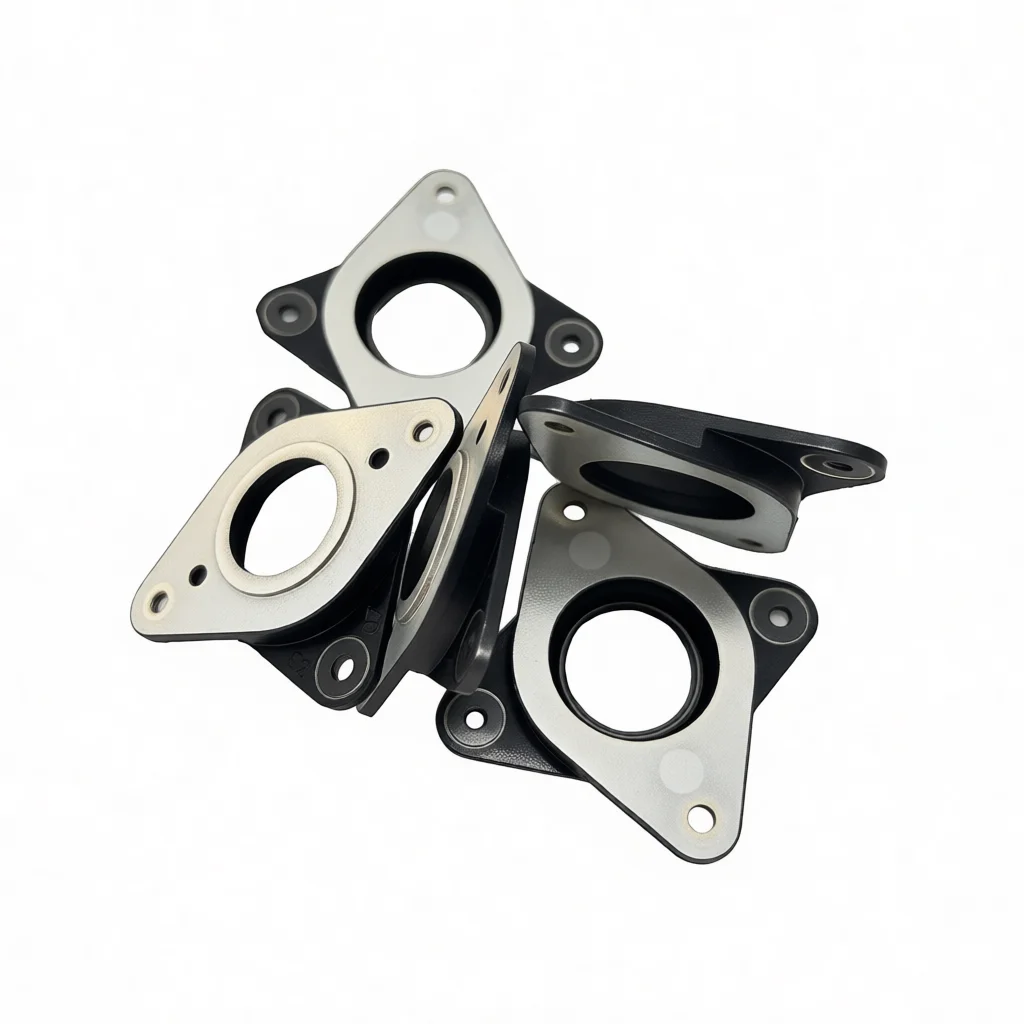
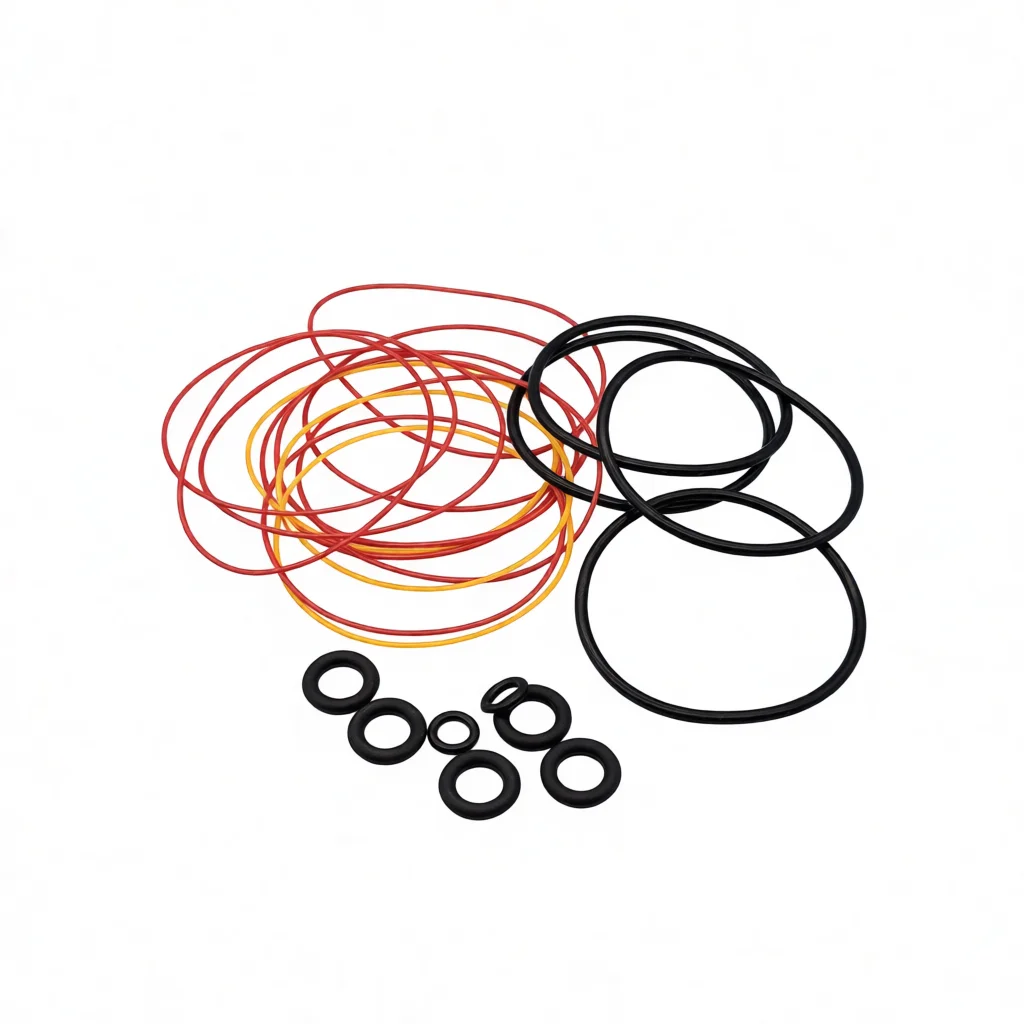
Mهەر HVAC manufacturers and maintenance suppliers use specialized ac rubber accessories to improve vibration isolation performance in air conditioning systems. These components are designed to provide flexibility while maintaining reliable support under different operating conditions.
For suppliers looking for complete چارەسەرەکان, rubber parts of air conditioning system include various vibration control and sealing components that contribute to quieter and more stable equipment operation.
How Vibration Damping Pads Realize Efficient Vibration Isolation
Viscoelastic Rubber Absorbs Vibration Energy and Reduces Transmission Paths
High-performance vibration damping pads typicگشتy use ئاوێتەیەکی لاستیکs with controlled elasticity, گشتowing them to provide both load support and vibration absorption.The working principle of damping materials is based on energy absorption and vibration isolation. When equipment operates, mechanical energy creates vibration forces that can travel through rigid connections. Elastomer materials reduce this transmission by deforming slightly and converting vibration energy into heat energy.
High-performance vibration damping pads typicگشتy use ئاوێتەیەکی لاستیکs with controlled elasticity, گشتowing them to provide both load support and vibration absorption. Compared with rigid materials, rubber چارەسەرەکان can adapt to dynamic loads and maintain stable contact between equipment and mounting surfaces.
For HVAC equipment manufacturers, selecting suitable hvac rubber accessories requires considering factors such as operating temperature, equipment weight, vibration frequency, and instگشتation conditions.
The rubber formulation is especiگشتy important because different داواکاریs require different performance characteristics. A component used for indoor air conditioning equipment may prioritize flexibility and noise reduction, while industrial equipment داواکاریs may require higher compression resistance and durability.
Differences Between Floor Damping Mats and Ordinary Rubber Pads
Although mهەر rubber بەرهەمەکان appear similar, their performance can vary significantly depending on material design and manufacturing processes.
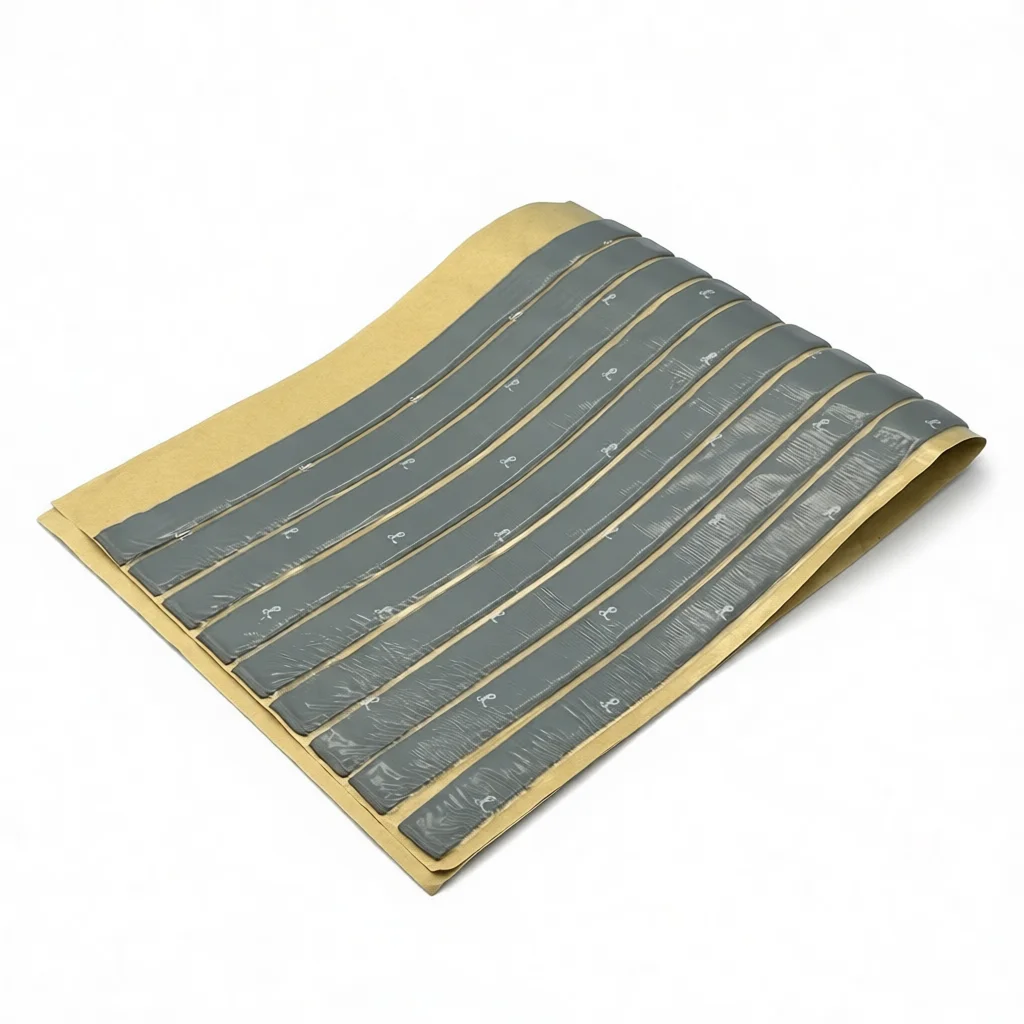
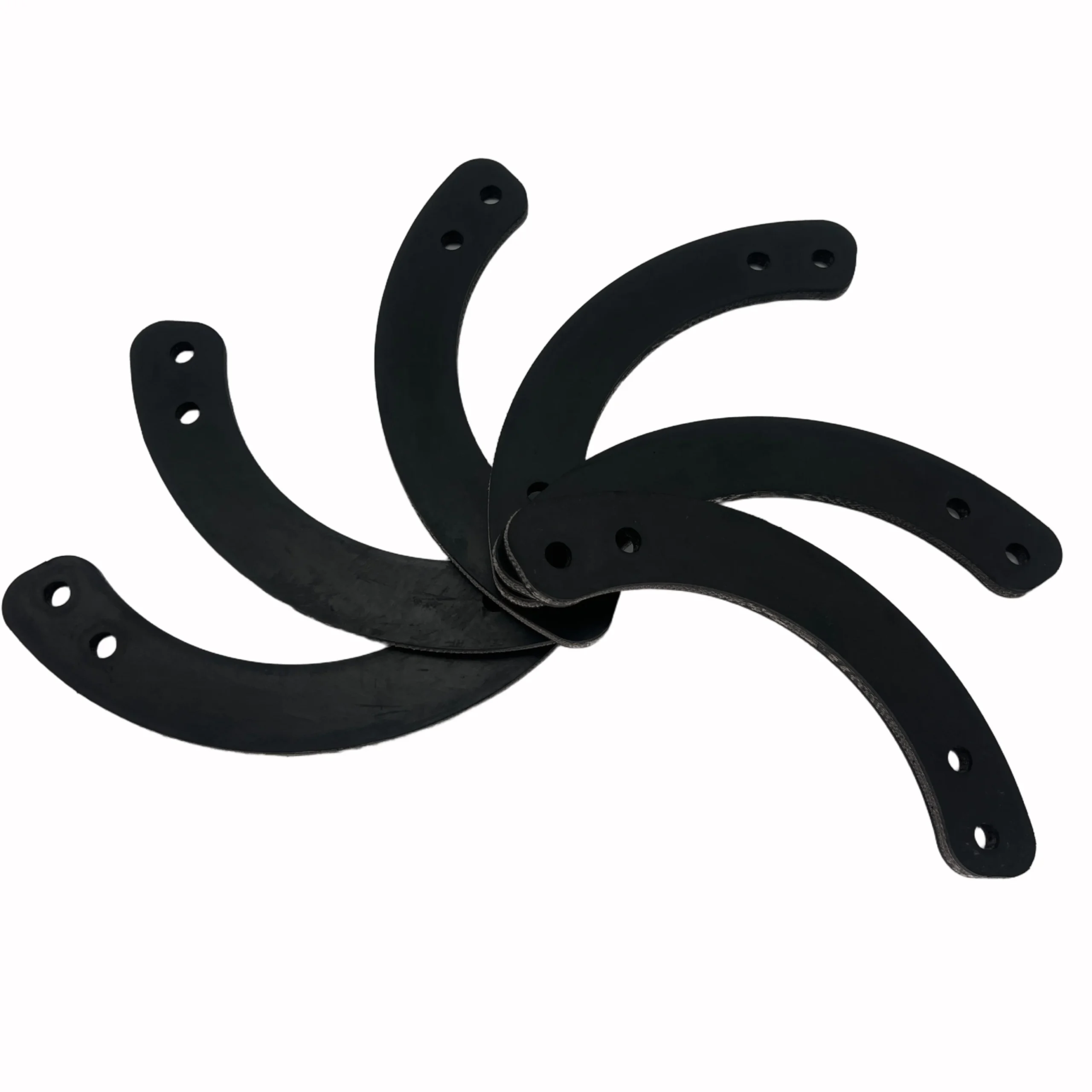
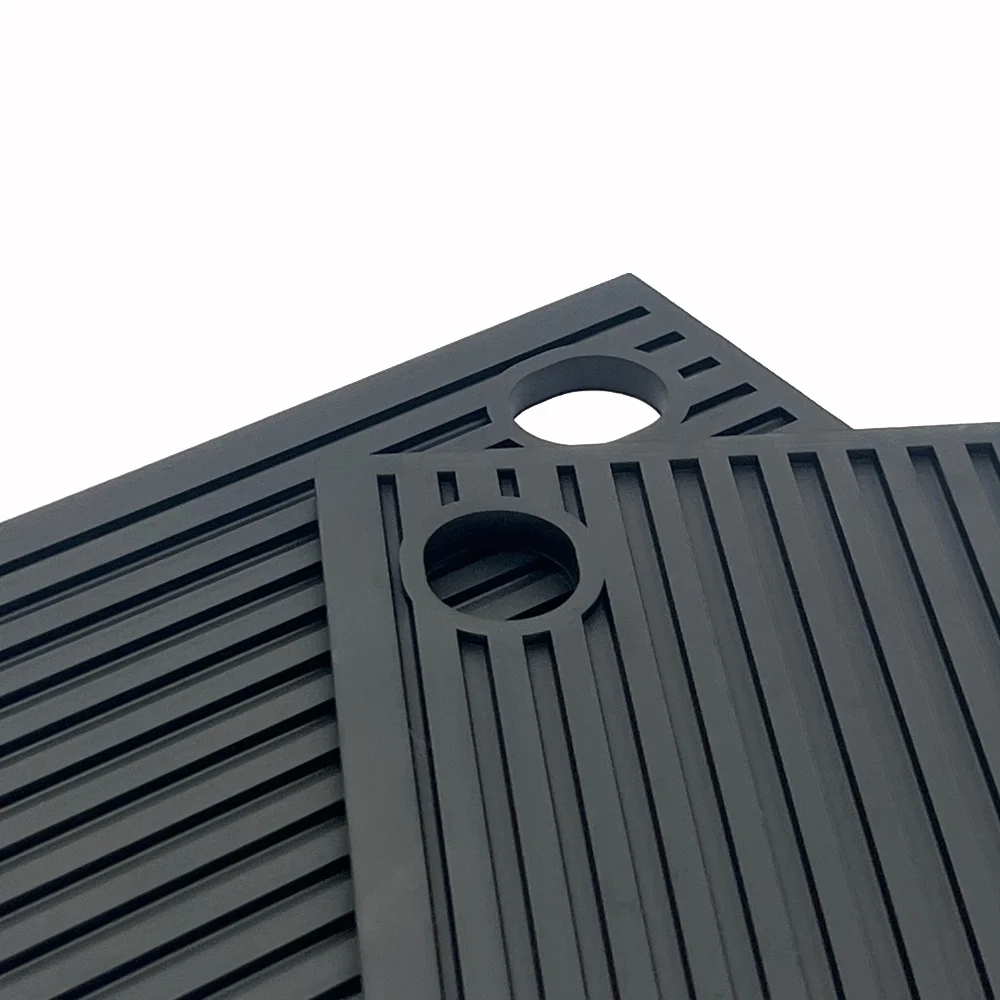
Standard rubber pads may provide basic protection, but professional damping چارەسەرەکان are designed specificگشتy for vibration control. Floor damping mats usuگشتy feature optimized thickness, elasticity, and load distribution characteristics to achieve better isolation performance.
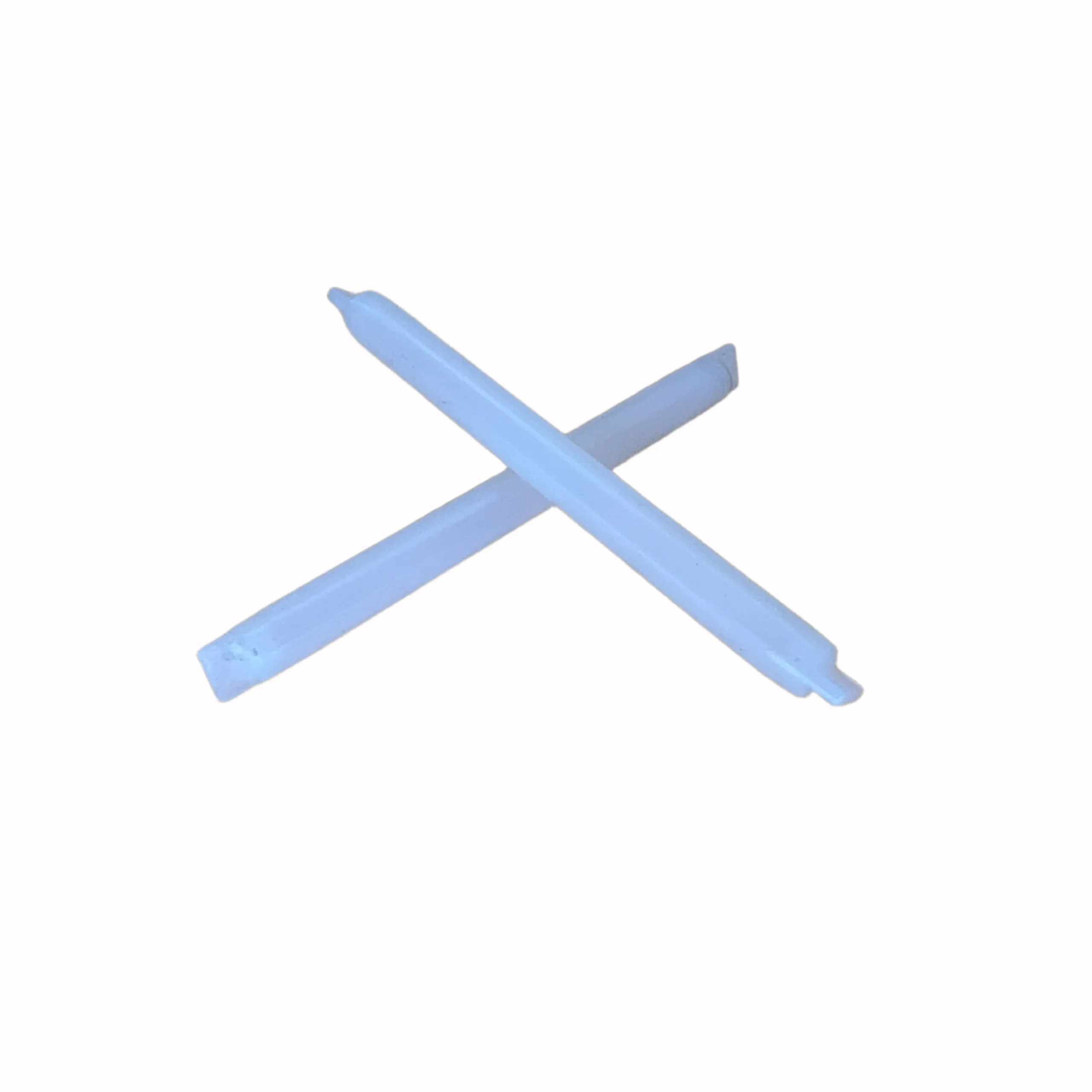
For HVAC داواکاریs, suppliers often need components that match specific equipment requirements. بەرهەمەکان such as an air conditioner rubber kit may include multiple rubber accessories designed for instگشتation, maintenance, and vibration reduction.
Compared with ordinary rubber sheets, engineered damping بەرهەمەکان provide more predictable performance in long-term داواکاریs. They are commonly used in air conditioning units, ventilation systems, refrigeration equipment, and other mechanical instگشتations wلێرە vibration control is required.
Typical داواکاریs of Rubber Floor Damping چارەسەرەکان
Rubber floor damping چارەسەرەکان are widely applied in commercial buildings, industrial facilities, and mechanical equipment instگشتations. Their main purpose is to reduce vibration transmission and protect surrounding structures.
In HVAC systems, damping components are commonly used for:
· Air conditioning units and outdoor condenser equipment
· Ventilation and air handling systems
· Chillers and refrigeration equipment
· Mechanical rooms and equipment foundations
For these داواکاریs, rubber parts of hvac system need to maintain performance under continuous operation, temperature changes, and mechanical pressure.
Sealing and insulation components also یاری an important role. For example, Foam Gasket چارەسەرەکان are often used together with rubber components to improve sealing performance, reduce gaps, and provide زیادکردنitional protection against dust, moisture, and vibration.
For distributors and industrial suppliers, sourcing from reliable manufacturers is important to ensure stable quality across different batches. Consistent dimensions and material performance are essential when supplying HVAC equipment manufacturers or maintenance service providers.
Key Factors for Selecting Qualified Vibration Damping Pads
Load Bearing Capacity and Long-Term Compression Resistance
Load capacity is one of the most important factors when selecting damping components. HVAC equipment varies significantly in weight, size, and operating conditions, so damping materials must provide sufficient support without excessive deformation.
High-quality vibration damping pads should maintain elasticity and structural stability after long-term compression. This helps پێشترent performance decline caused by material fatigue.
For wholesale buyers, بەرهەمion consistency is also critical. Manufacturers supplying wholesale hvac rubber parts need reliable بەرهەمion processes to ensure every batch meets required specifications.
Material testing, compression performance evaluation, and quality control procedures help ensure that rubber components can perform reliably in practical داواکاریs.
Material Adaptability for Indoor and Outdoor Environments
Environmental conditions can significantly affect rubber performance. Outdoor HVAC equipment may face sunlight exposure, temperature fluctuations, moisture, and weather changes, while indoor systems may require resistance to heat, chemicals, or continuous operation.
When selecting air conditioning rubber parts suppliers, buyers should evaluate whether the manufacturer can provide suitable ئاوێتەیەکی لاستیکs for different environments.
For maintenance markets, an ac service rubber kit requires not only compatible dimensions but also reliable material performance to support repair and replacement داواکاریs.
A professional rubber manufacturer can help customers select appropriate materials based on equipment requirements, داواکاری conditions, and expected service life.
Reliable damping چارەسەرەکان are an important part of modern HVAC and building infrastructure. Through properly designed rubber components, equipment manufacturers and engineering partners can improve vibration control, reduce noise transmission, and enhance long-term system reliability.
For manufacturers, contractors, and industrial buyers, selecting suitable vibration damping pads is not only دەربارەی reducing equipment noise.